Interpreters · Jakarta
Hiring Simultaneous Interpreters in Jakarta
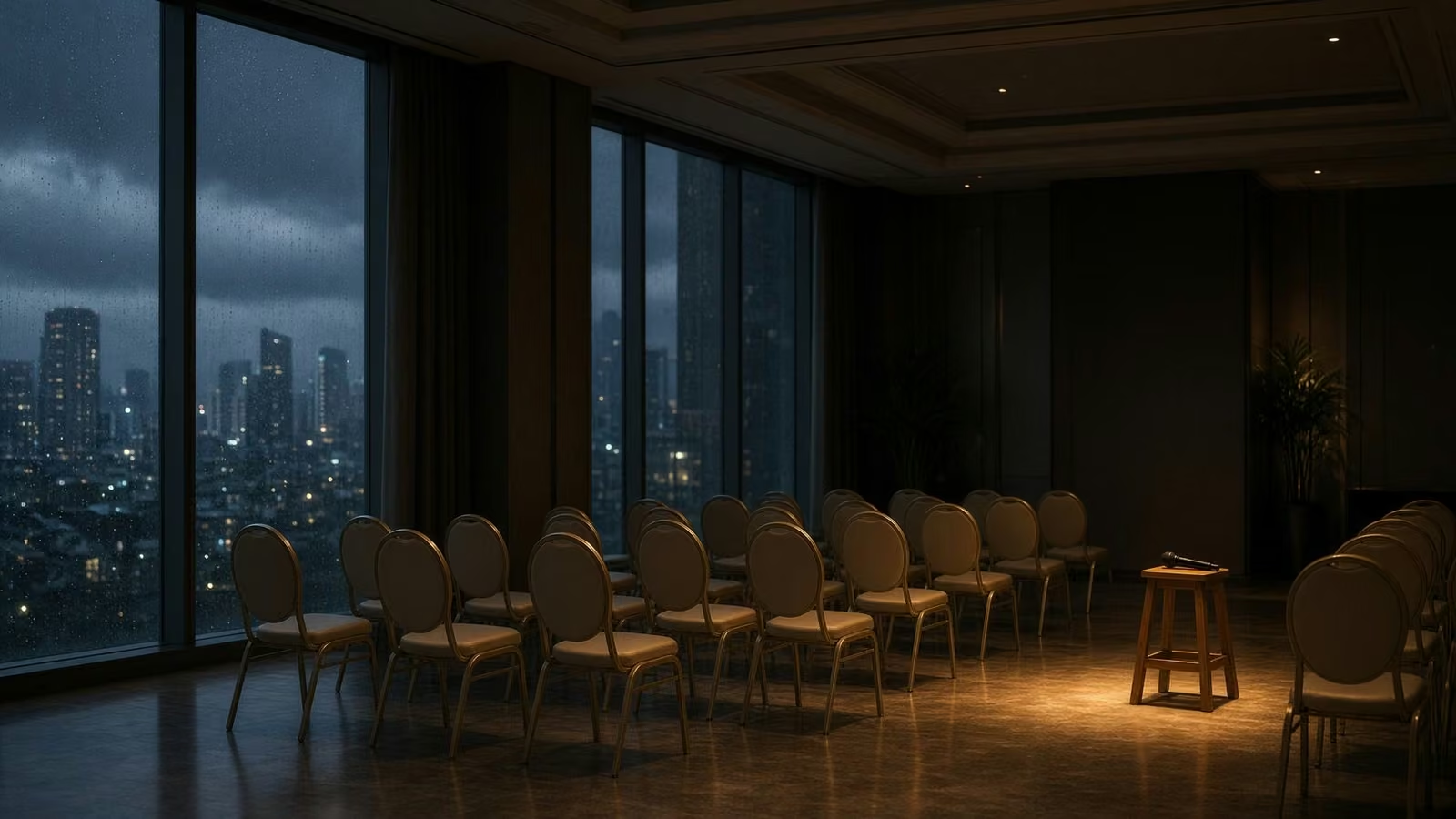
A simultaneous interpreter in Jakarta is booked when the audience must hear a speech, a panel or a negotiation at the same time as it is spoken. The usual setting is a hotel ballroom, a convention floor or a corporate auditorium. The work needs people, a way for them to hear the speaker cleanly, and a way for the audience to hear the interpretation. Fees are on request and depend on the languages, the hours, the number of interpreters and whether equipment is part of the same brief.
Treat interpretation as a technical session, not as a courtesy added the week before. The quality follows the materials you send and the sound you provide. A clear brief through the request form is worth more than a vague note that says the meeting will be bilingual.
Simultaneous vs consecutive
Simultaneous interpretation is spoken while the speaker continues, almost always from a booth or a table with headsets. The meeting stays at the speaker’s pace. Consecutive interpretation is spoken after the speaker pauses. It needs no booth, and it roughly doubles the time of that segment. Consecutive still suits a small board dinner, a site visit or a bilateral talk with a handful of people. It does not suit a plenary that already fills the clock.
Say which mode you want for each session. A Jakarta day often mixes them: simultaneous in the hall, consecutive in a breakout or a plant visit the next morning. Mixing them without writing it down is how the equipment truck arrives for a meeting that only needed a notebook, or the reverse. If you are comparing people rather than modes, start with the interpreters directory.
Whispered interpretation
Whispering for one or two listeners is a third option. It is tiring, it disturbs neighbours, and it is a poor substitute for headsets once more than a pair of people need the second language. Use it for a short aside, not for a morning of presentations.
Why interpreters work in pairs
Simultaneous interpretation is continuous attention. One person cannot hold a full conference day alone without the language degrading and the names slipping. Interpreters work in pairs, or in a larger team when the day is long or the subject is dense, so that one can work while the other prepares the next stretch and watches terminology.
The pair is also your cover if a speaker accelerates, reads a text that was never shared, or switches language mid-sentence. The colleague who is not on microphone can find the term, write it down, and take over at the agreed rotation. Booking a single interpreter for simultaneous work is a request the agency will push back on, unless the segment is genuinely short. Put the real hours in the brief, including rehearsal if you want the team in the room for it.
Booths and equipment to arrange
A booth, or a quiet table that actually is quiet, is part of the job. Interpreters need a direct feed of the floor sound, not a recording taken from the ceiling. The audience needs receivers and headsets in the languages you promised, with a person who can swap a dead set without a speech about it. Agree who supplies the booth, the console, the receivers and the technician. Splitting that list across three vendors without a lead is a common way to lose the morning.
- Floor microphone that the booth can hear, including panel mics, not only the lectern.
- A booth or isolated position with a view of the stage, or a camera feed if the view is blocked.
- Receivers for everyone who needs the second language, plus a margin for failures.
- A technician who stays, not a handover to the banquet captain.
- Water and a working clock for the booth. No spotlight on the glass.
Hotel ballrooms in Jakarta can be noisy at the back and bright on stage. If the booth is placed beside a service door, say so early enough to move it. If the programme is in more than one room, equipment has to move or be doubled. Mention every room when you look at Jakarta events.
Briefing materials to send
Send the speeches, slides and agenda as soon as they exist, even if they are still drafts. Mark the draft as a draft. Interpreters prepare terminology before the day; they cannot prepare from a slide that arrives as the speaker walks on. Include a name list, abbreviations, and any term your company insists on keeping in English. If numbers, drug names, legal clauses or engineering specs matter, highlight them.
Tell the team the purpose of the meeting in one paragraph. A sales kickoff, a regulatory hearing and a joint-venture negotiation use the same language pair and completely different judgement about what must be exact. Also say who may speak without a script. Panels and Q&A are where unprepared names appear. A glossary of twenty terms, checked by someone who actually knows the subject, is more useful than a brand book.
Questions to ask before booking a simultaneous interpreter in Jakarta
Ask which language pair the interpreter works in, and in which direction they are prepared to work that day. Ask whether the colleague in the booth is booked as well. Ask what they need to see, and by when. Ask whether equipment is included or whether you must order it from the venue. Ask how they handle a speaker who reads faster than the text you sent. You are not looking for a performance on the call. You are looking for a working method.
Then ask yourself the matching questions. Do you know the hours, including any rehearsal? Do you know which sessions are simultaneous and which are not? Do you have someone on your side who can answer a terminology question on the morning? When those answers exist, send them with the booking request. The agency will confirm availability and reply with a proposal. Fees stay on request until that scope is clear, and they change if the hours or the languages change.
FAQ
Do we always need a booth?
For a full audience, yes, or a genuinely quiet position plus headsets. Consecutive interpretation for a small group does not need a booth.
Why not book one interpreter?
Simultaneous work is done in pairs so the language stays accurate across the session. A single interpreter fits only a short segment.
What should we send, and when?
Agenda, slides, speeches, a name list and a short glossary, as drafts if needed. Earlier is more useful than prettier.
Are interpretation fees listed on the site?
No. Fees are on request and depend on languages, hours, team size and whether equipment is included.